

You've booked a cruise, but the forecast is showing a storm? This is a fairly common situation when visiting Ha Long Bay or Lan Ha Bay in summer and early autumn. Understanding how cruise operators handle bad weather and preparing in advance will help you avoid losing money and reduce stress. This article covers everything you should know about cruises cancelled due to storms.
Which months are storm season in Ha Long Bay?
In northern Vietnam, storms and tropical depressions typically occur from around June to October, peaking between July and September. Outside of storm days, the weather can still be beautiful. Summer therefore remains a busy travel season — you simply need to be more flexible.
Can cruises go out during a storm?
When there is a storm, tropical depression, or strong winds, local authorities may issue a notice temporarily suspending tourist vessels from entering the bay for safety reasons. When this happens, all vessels must stop, regardless of the cruise operator. The order is usually issued close to the departure date, so your trip may be postponed just one or two days in advance — or even on the day itself.
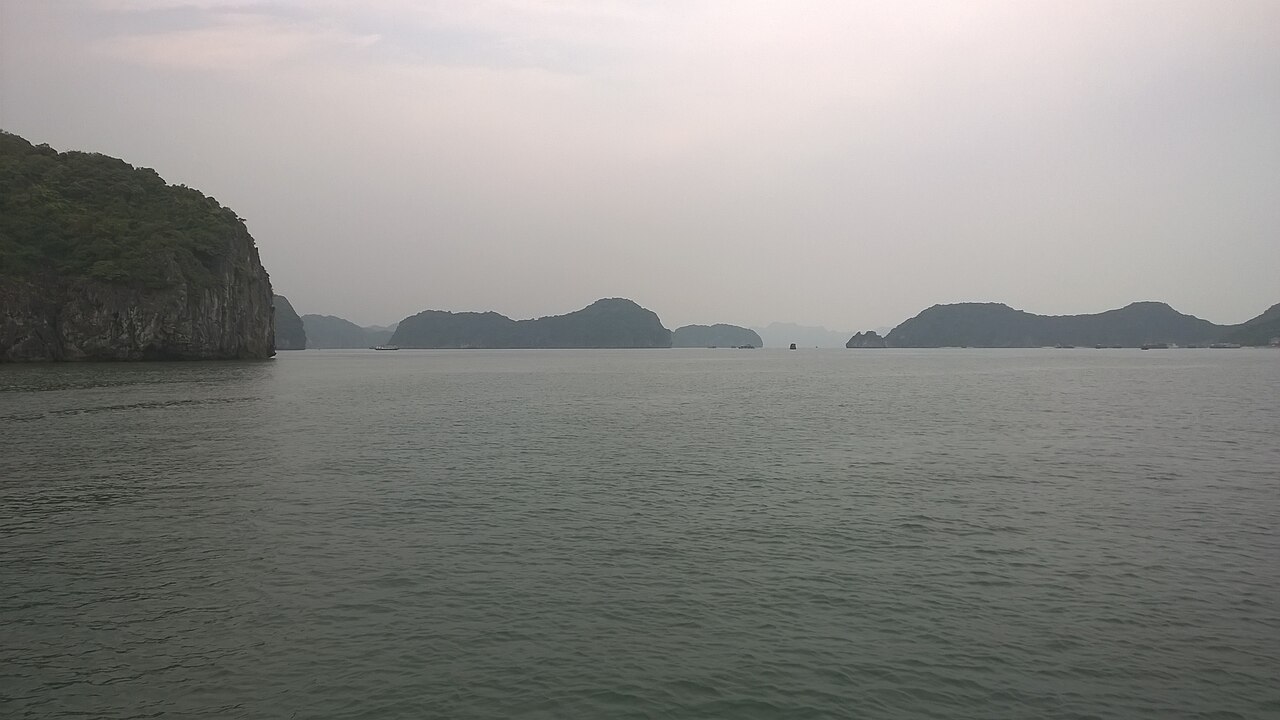
When weather conditions are poor, vessels may be required to remain moored at port under orders from the authorities. Photo: Vuong Tri Binh / Wikimedia Commons, CC BY-SA 4.0.
What happens if your trip is cancelled?
Each cruise operator has its own policy, but the usual options are as follows:
-
Rescheduling to another date: the most common option, usually at no charge when cancellation is due to a vessel ban.
-
Credit hold: your payment is held and can be used within a specified period.
-
Refund: full or partial, depending on the terms and conditions.
-
Transfer to an alternative programme: for example, staying aboard the vessel while it is moored at port, or switching to a land-based service, if you agree.
Please note: if you cancel on your own accord due to weather concerns while the vessel is still permitted to operate, the standard cancellation policy will typically apply.
What should you do before booking during storm season?
-
Read the cancellation and rescheduling policy carefully and ask specifically about vessel bans due to weather. Make sure to get confirmation in writing or by email.
-
Keep your schedule flexible: if possible, leave one or two buffer days in your itinerary.
-
Consider travel insurance that covers trip cancellation or postponement due to weather. Read the exclusion clauses carefully.
-
Avoid booking non-changeable flights or train tickets close to your cruise departure date during storm season.
What should you monitor before departure day?
-
Weather forecasts from the National Centre for Hydro-Meteorological Forecasting and local news outlets.
-
Notifications from the cruise operator by phone, email, or message. Make sure to leave a reachable contact number.
-
Call the cruise operator to reconfirm one day before departure.
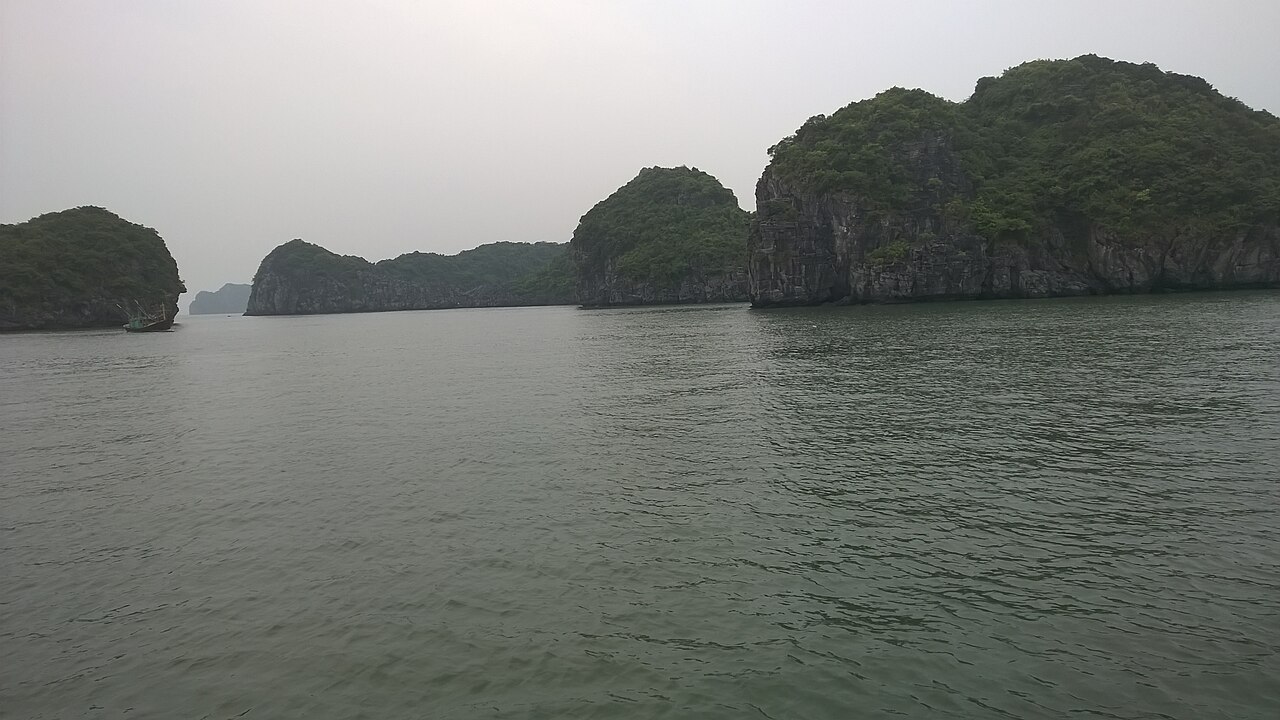
Monitor notifications and stay in contact with the cruise operator before your departure day. Photo: Vuong Tri Binh / Wikimedia Commons, CC BY-SA 4.0.
What if the weather turns bad while you are on board?
When conditions deteriorate, the captain may modify the itinerary, cancel outdoor activities such as kayaking, or bring the vessel back to port early. Follow the crew's instructions, wear a life jacket when asked, and do not go on deck in strong winds. Safety always takes priority over the schedule.
Suggested lower-risk travel periods
If you want to minimise weather-related risks, consider travelling in late October, November, or spring. These are periods with fewer storms, milder sunshine, and fewer crowds on the bay.
This article is for reference purposes only. Specific regulations are announced by the relevant authorities and individual cruise operators.
Photo credits
Cover photo: "View of the sea from Cannon Fort Park on Cat Ba Island, Vietnam, 20240130 1619 4462" – Jakub Hałun / Wikimedia Commons, CC BY 4.0. Photos within the article are credited directly beneath each image.
Frequently asked questions
Which months are storm season in Ha Long Bay?
Storms and tropical depressions in northern Vietnam typically occur from around June to October, peaking between July and September.
Do cruises operate during a storm?
When the authorities issue a notice temporarily suspending tourist vessels from entering the bay due to a storm or strong winds, all cruise vessels must stop operating for safety reasons.
Can I get a refund if my cruise is cancelled due to a storm?
It depends on each operator's policy. You are usually offered rescheduling, a credit hold, or a refund when the cruise is cancelled due to a vessel ban. Be sure to ask for clarification and keep written confirmation at the time of booking.
Will I be charged a fee if I cancel on my own due to bad weather concerns?
If the vessel is still permitted to operate and you cancel on your own accord, the operator's standard cancellation policy will typically apply, which may include a cancellation fee.
Which months are best for cruising with the least storm risk?
Late October, November, and spring are generally the least stormy periods, with milder weather and fewer crowds on the bay.


